Insights
Research, perspective and practical lessons from inside the studio—on venture building, enterprise technology, AI and corporate innovation.

Featured insight
Venture Building
How a venture studio builds new technology companies
Building a technology company means connecting work on the market problem, product, technology, commercial development and organisation. How a venture studio brings that together, what it shares across ventures and where the factory metaphor stops.

What turns an AI demo into a workflow people use: a defined task, the right information, owned review, process integration and practical evaluation questions.
From AI demo to useful workflow: what needs to work?
An impressive AI output is only one part of a useful workflow. Value also depends on a defined task, usable information, meaningful review, integration with existing processes and evidence from real use.

When a corporate problem calls for an internal fix, an innovation pilot or a new venture, and what a first exploration with Xablu Venture Studio involves.
When is a corporate challenge suitable for venture building?
Some corporate problems belong inside the organisation, some deserve a pilot, and some could support a business serving many customers. Five practical questions help decide when venture building is worth considering, and what a first exploration involves.

How participation in the Xablu Venture Evergreen Fund differs from a direct venture investment: what you hold, where exposure sits and which documents apply.
Investing through a fund or directly in a venture: what is the difference?
Participating in the Xablu Venture Evergreen Fund and investing directly in a venture are separate positions, with different holdings, exposure and governing documents. What distinguishes them, and which risks apply to both.

How Venture Partners apply practical experience to specific venture questions at Xablu Venture Studio: what the studio prepares, what partners contribute and where the role ends.
What a Venture Partner contributes to a developing venture
Relevant experience is most useful when it is applied to a specific venture question, with preparation and follow-through. Three illustrative moments show how Venture Partners contribute at Xablu Venture Studio, and where the role’s boundaries lie.

How policy-based AI routing works: permitted model routes, trade-offs between quality, speed, availability and cost, and why fallback must respect data limits.
AI routing: choosing around policy, quality and cost
Choosing an AI model is not just picking one provider for everything. It depends on the workload, permitted data routes, operational requirements and measurable results. How policy-based routing works, and where its limits lie.

News · 3 min read
Arjan ten Buuren named Global Connector of the Year by VNTR Capital.
Our Managing Partner received the award at the VNTR Summit in Lisbon for his work as Chapter Director, VNTR Capital NL.

Why contract obligations lose ownership after signing, and six questions for examining one: action, owner, trigger, approval, evidence and exceptions.
The contract is signed. Who owns the follow-through?
Signing records an agreement, but its obligations still need owners, actions, deadlines and visible follow-up. Why the handover after signing is where contracts lose their grip, and how to examine one obligation in practice.

The work between cloud infrastructure and application delivery, and how standardised workflows, GitOps and shared services can make onboarding repeatable.
From cloud tools to a repeatable platform foundation
Cloud infrastructure alone does not create a consistent way to onboard applications, deploy changes, manage access and operate environments. What sits in between, what can be standardised and which decisions stay specific to each organisation.

Why interest, demos, usage and commitments prove different things, and how stage gates link each venture question to evidence and an explicit next decision.
From interest to evidence: how stage gates support venture decisions
A positive conversation, a convincing demo, real usage and a commercial commitment prove different things. How stage gates connect each development question to the right evidence, and to an explicit decision about what comes next.

How marketing, sales, support and product move from scattered signals to shared context: reviewed knowledge, explicit GTM choices and human approval.
Why commercial teams need shared context
Organisations can gather many customer and market signals and still lack a shared basis for deciding what they mean. Why signals, reviewed knowledge, GTM choices and approved actions need to be kept apart, and connected.

Why fragmented fund and SPV administration hides missing evidence, open approvals and unresolved payments, and what traceable operational workflows involve.
Fund and SPV operations: from scattered administration to traceable workflows
When fund and SPV administration is spread across email, spreadsheets and documents, it is hard to see who owns an action, what evidence is missing and whether a change has reached the register. Why traceable workflows matter.
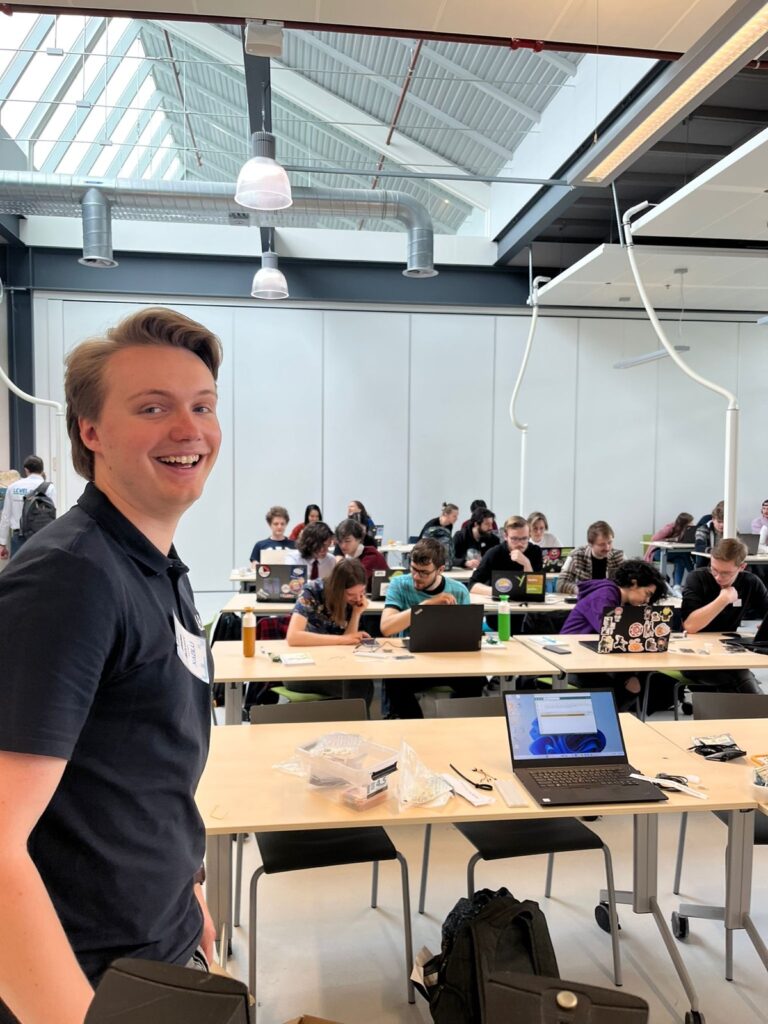
Why generated code is not yet an accepted change: acceptance criteria, repository context, design, tests, human review and release through existing processes.
AI-assisted coding needs context, tests and review
Generating code and delivering a maintainable, accepted change are different tasks. One illustrative feature request, followed from intent and context to tests, review and release, shows what AI-assisted development has to get right.

Why a verified credential is not the end of the process: requesting the right evidence, checking source and status, and applying business rules before deciding.
Digital credentials create value inside business workflows
A digital credential only creates value once it is part of a business process. How organisations request the right evidence, check trust conditions, apply their own rules and return a usable result to existing systems.

Why matching professionals to interim and project roles takes more than keywords, what an explained AI suggestion should show, and why recruiters decide.
AI in recruitment: better preparation, professional judgement
A useful match involves more than matching keywords: availability, experience, preferences, location, rates and assignment context all count. How AI can prepare better shortlists while the recruiter keeps the judgement.

How artist teams can work with fragmented fan signals: reach versus engagement versus direct relationships, and why the team decides what goes out.
From reach to fan relationships: working with fragmented fan signals
Audience size, fan engagement and a usable direct relationship are different things. How artist teams can bring scattered streaming, social, commerce and campaign signals together into relevant activations, with the team deciding what goes out.